
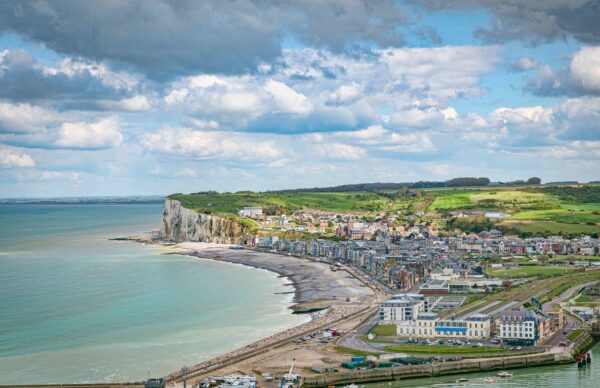
Folkestone Town Centre in Kent is the main urban core of the coastal town of Folkestone, located above the seafront and close to the English Channel coastline. It serves as the administrative, commercial, and civic area of the town, linking residential districts with coastal promenades, harbor areas, and clifftop spaces such as The Leas.
Geographic Position of Folkestone Town Centre
The town center is positioned inland from the immediate shoreline but still within close distance to the sea. It lies on elevated ground compared to the lower promenade and harbor zones, creating a layered urban structure typical for coastal towns built along cliff landscapes. Streets gradually slope toward the coast and connect upper and lower town sections.
This central area acts as a hub where transport routes, public buildings, and shopping streets converge. Its location allows easy movement toward both the seafront and surrounding residential neighborhoods. The proximity to The Leas and coastal paths reinforces its role as a transitional zone between urban and seaside environments.
Main spatial features of the town center location:
- Situated above the seafront and harbor
- Connected to the Leas and promenade routes
- Positioned on elevated urban ground
- It serves as a central node within the layout of Folkestone town.
These elements define its importance within the local geography.
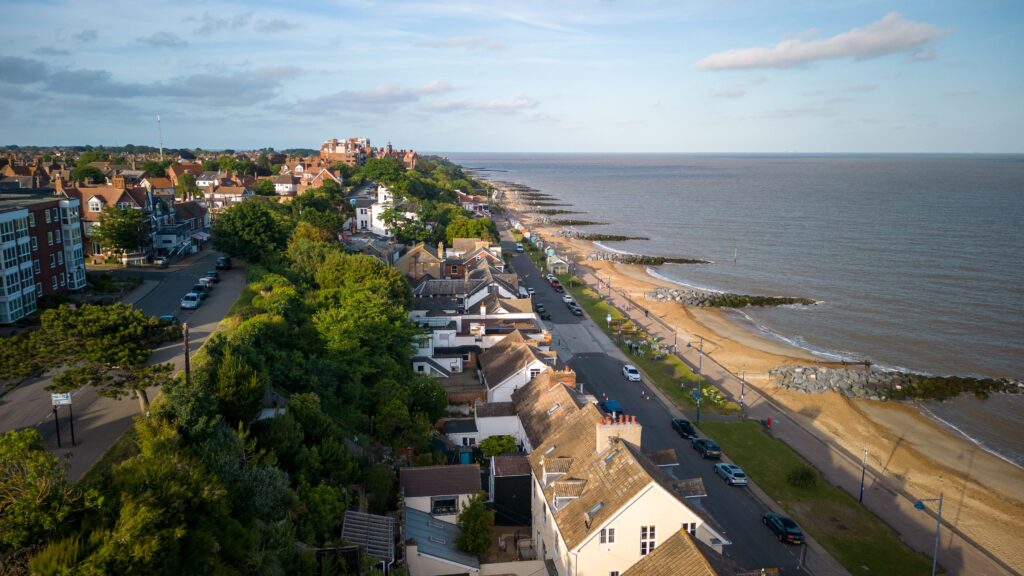
Urban structure and street organization
The layout of Folkestone Town Centre consists of interconnected streets, public squares, and civic buildings arranged in a traditional town pattern. The design reflects historical growth rather than modern grid planning, resulting in varied street widths and directional changes. Commercial streets are typically concentrated in the central sections.
Buildings in the town center include administrative structures, cultural venues, and retail premises. Architectural styles vary due to different construction periods, showing historical development over time. Public spaces such as squares and pedestrian areas support daily movement and social activity.
Important structural components include:
- Central shopping and pedestrian streets
- Civic and administrative buildings
- Mixed historical architectural styles
- Public squares and open urban spaces
This combination forms a functional and historically layered town core.
Connection with Coastal and Transport Networks
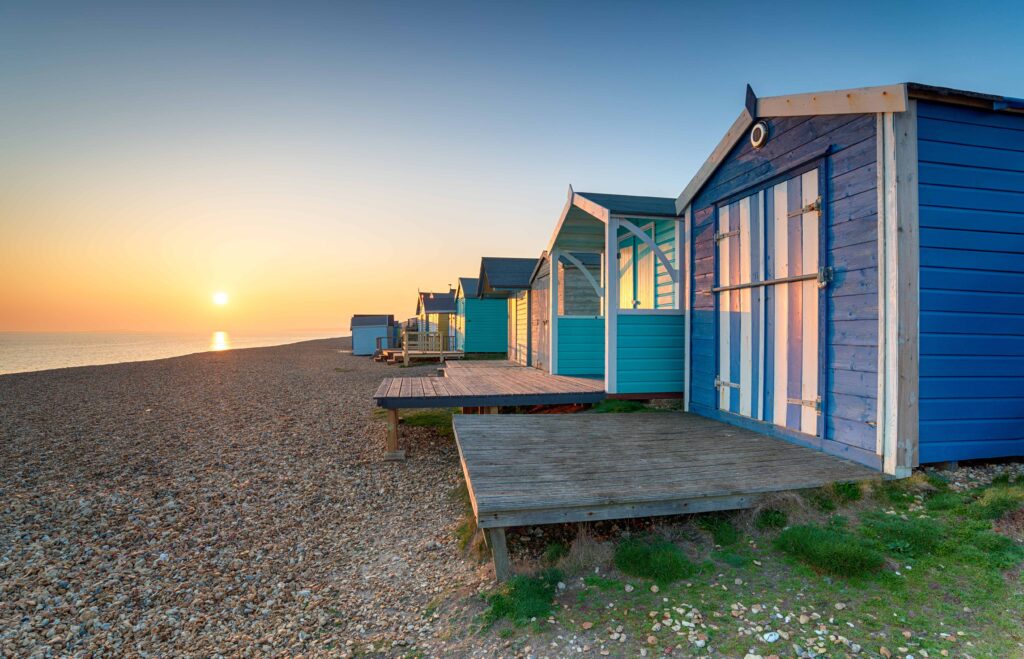
Folkestone Town Centre is closely linked to coastal infrastructure through roadways and pedestrian routes leading down toward the harbor, and promenade. These connections are essential because of the elevation difference between the town and shoreline. Access routes often include sloped streets and pathways.
Transport accessibility is also influenced by regional routes connecting Folkestone with other parts of Kent and London. The town center acts as a coordination point for local movement, with transport lines passing nearby and linking residential and commercial zones.
Due to its position and structure, the town center remains the primary organizational space of Folkestone, integrating urban functions with coastal geography and maintaining strong spatial relationships with the seafront, The Leas, and surrounding districts.